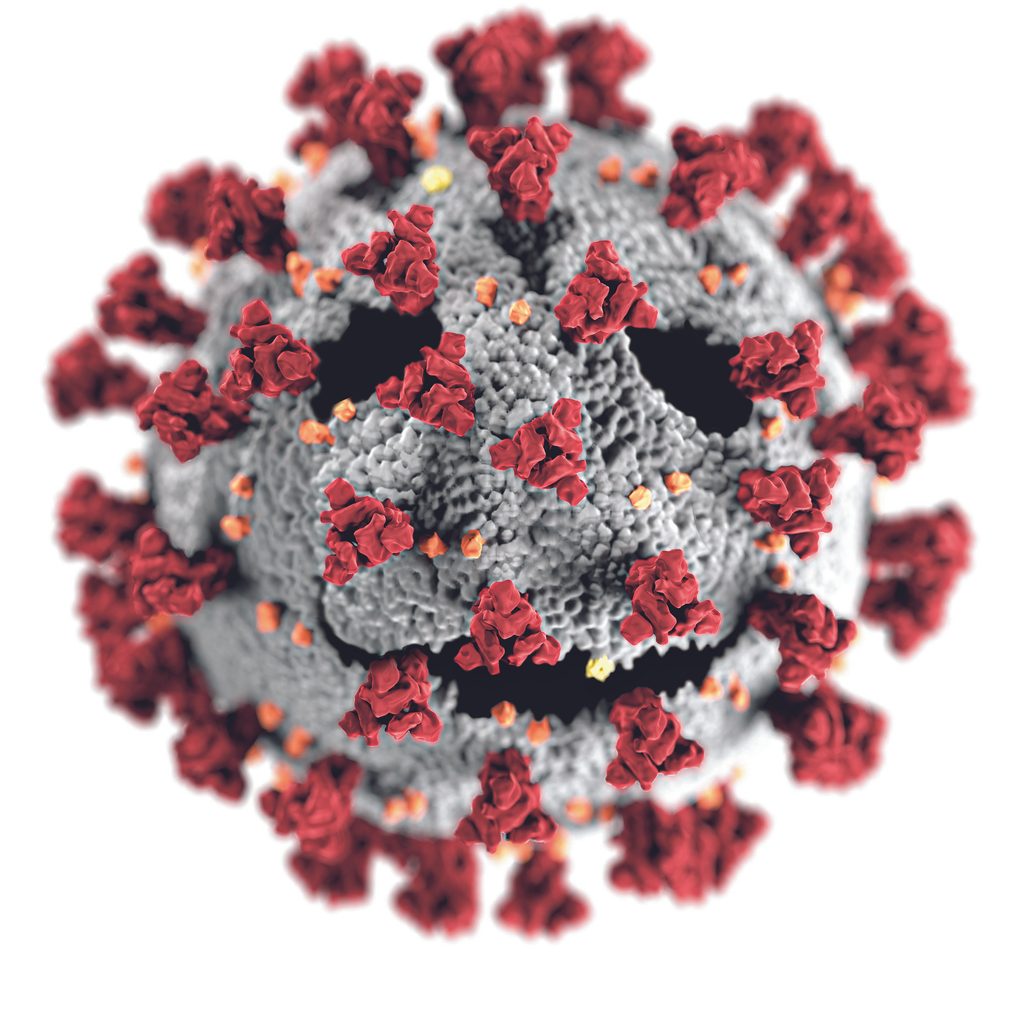
Carle Jasmin (Image : Pixabay)
Hepatitis B was the subject of vaccination campaigns targeting gay men at one time, due to its rapid spread and the risk of death, particularly when associated with HIV. These free campaigns included vaccines against both hepatitis A and hepatitis B and made a tremendous difference in the years that followed, with effects that are still being felt today, as infection rates have reached their lowest levels.
However, people who are infected and were not vaccinated must take numerous medications to control the virus, representing a significant cost to society. Now, a new drug has just been approved by the U.S. FDA and offers a “functional cure” for some people, even though it is not a complete and definitive cure.
Let’s take a closer look!
What Is Hepatitis B?
Hepatitis B is a viral infection that primarily attacks the liver. Caused by the hepatitis B virus (HBV), it can lead to inflammation of this essential organ, sometimes without causing any apparent symptoms for several years. It is precisely this silent nature that makes the infection particularly concerning.
The virus is mainly transmitted through contact with infected blood or bodily fluids, particularly during unprotected sexual activity, through sharing equipment used to inject drugs, or through the use of contaminated instruments. An infected mother can also transmit the virus to her child during childbirth.
In some people, the body manages to naturally eliminate the virus following an acute infection. In others, particularly when the infection occurs during early childhood, the virus persists and becomes chronic. This form can lead to serious complications, including cirrhosis, liver failure, and liver cancer.
It is important, however, to distinguish between prevention and treatment. A person who is already infected cannot be cured through vaccination. People living with chronic hepatitis B may need to take antiviral medications for many years, sometimes for the rest of their lives, to keep the virus under control and reduce the risk of complications.
What Is Bepirovirsen?
Bepirovirsen is a new drug developed by British pharmaceutical company GSK in collaboration with American company Ionis Pharmaceuticals. It represents a new approach to treating chronic hepatitis B, a viral infection that affects hundreds of millions of people worldwide.
Marketed under the name Hibsago, this medication was approved by the U.S. Food and Drug Administration (FDA) on October 20, 2026. It is the first drug of its kind to be authorized by the agency for the treatment of chronic hepatitis B.
Unlike conventional antiviral treatments, which primarily seek to prevent the virus from multiplying, bepirovirsen uses a technology known as an antisense oligonucleotide.
In simple terms, it acts like a genetic blocking message. It recognizes certain RNA sequences used by the hepatitis B virus to produce its components. It binds to these sequences and promotes their destruction through a natural cellular mechanism.
This intervention reduces the production of viral material and proteins associated with the infection, particularly the hepatitis B surface antigen (HBsAg). It may also help the immune system regain control of the infection.
Results That Are Changing the Outlook
The Phase III B-Well 1 and B-Well 2 clinical trials have demonstrated encouraging results.
- 19% of participants receiving treatment achieved a functional cure.
- In these individuals, the virus was undetectable in their blood.
- The HBsAg surface antigen also became undetectable.
- This condition persisted for 24 weeks after all treatment had been discontinued.
The medication is administered through subcutaneous injections over a period of up to 24 weeks, in combination with standard antiviral medications.
Is This a Definitive Cure?
Not exactly. A functional cure means that the virus is sufficiently controlled for the patient to be able, under certain conditions, to stop antiviral treatment without the infection returning during the follow-up period. However, the virus’s genetic material may still persist in liver cells. It is therefore not a guaranteed and definitive eradication.
The treatment also carries risks, including serious liver reactions and a decrease in platelet counts. Close medical monitoring is essential.
Until now, many people living with chronic hepatitis B have had to take antiviral medications daily for years, sometimes for the rest of their lives, to keep the virus under control. Bepirovirsen opens up a new possibility: allowing some of these patients to live without continuous antiviral treatment.
It is not yet a universal solution, but it represents an important development in the search for a treatment capable of freeing people living with this infection from long-term medication.
The drug has just been approved in Canada and Japan, and Europe is expected to follow soon.
ADVERTISING

Read also
HIV: The 5 Breakthroughs of 2026 Bringing Researchers Closer to a Cure
HIV in Quebec: Why Gay Men Are Not Responsible for the Rise in Diagnoses
HIV: New Statistics Reveal a Reality That Few People Are Aware Of
Montelukast: Asthma Drug Gains Growing Interest in Cancer and HIV Research
Donanemab and HIV: A New Research Avenue for Cognitive Impairment?