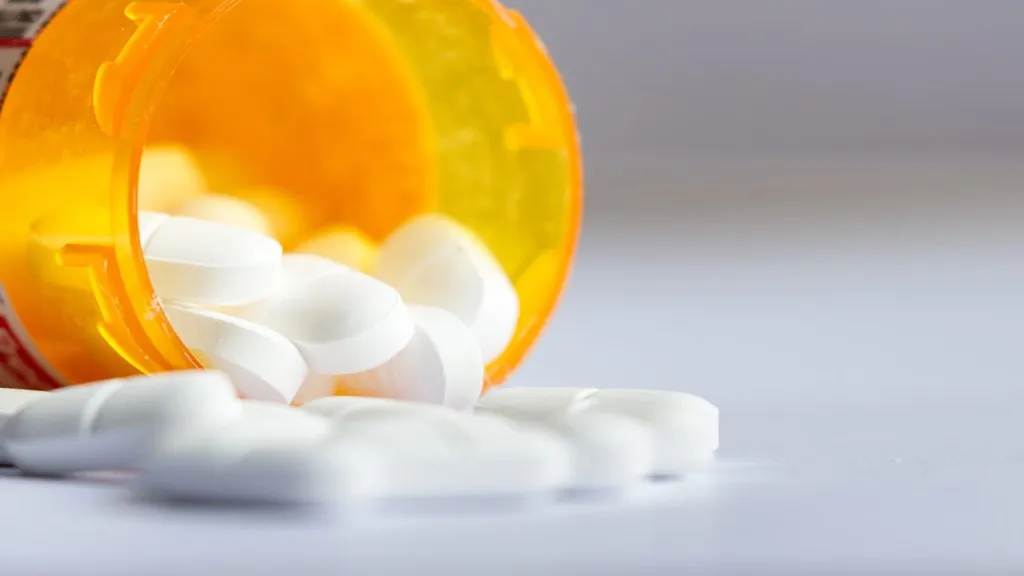
Arnaud Pontin (Image : Narcotics.com)
The street drug currently most frequently mentioned in autopsy reports is cychlorphine.
Devastating, isn’t it? This is a new, increasingly powerful variant of a drug that is circulating in our streets and killing more and more people. Did you know that cychlorphine generally kills the user upon the first use?
What is cychlorphine?
Cychlorphine is an emerging synthetic opioid that has appeared on the illicit drug market. This substance is particularly concerning to public health authorities because it can be found in drugs sold under other names, including certain powders and counterfeit pills.
Like other powerful opioids, cychlorphine can cause respiratory depression, loss of consciousness and a potentially fatal overdose. Cases of overdose and deaths have been associated with its presence, particularly when people who use drugs are unaware that this substance is present in the drug they are using.
The situation is all the more concerning because scientific knowledge about this new substance remains limited. Its potency, its effects at different doses and the consequences of repeated exposure are still being studied.
The presence of cychlorphine in an illicit drug can also be difficult for the person using it to detect. It is precisely this unpredictable nature that represents one of the main public health concerns associated with this new substance.
Why are the manufacturers so difficult to identify?
One of the major difficulties in combating synthetic drugs is precisely identifying the people or organizations that manufacture them. Unlike a drug derived from a plant grown in an identifiable region, a synthetic opioid can be produced from chemical precursors originating in different countries, then processed, mixed or packaged elsewhere before reaching the consumer.
Criminal networks also use intermediaries, shell companies, multiple delivery addresses and encrypted communications, which considerably complicates the work of investigators. Manufacturing, importing, distribution and sales can be entrusted to different people who may not necessarily know the entire network.
Another difficulty is that substances can change composition rapidly. When a new molecule appears in toxicological analyses, authorities must first determine what substance it is, how it was produced and where it entered the supply chain.
Finally, a seizure made at the retail level does not automatically allow investigators to trace the substance back to the clandestine laboratory. Chemical analyses, police intelligence, financial data, seized communications and information from several investigations generally need to be combined.
Why is cychlorphine particularly dangerous?
Cychlorphine is particularly concerning because it is a very powerful synthetic opioid belonging to the orphine family. According to public health authorities, orphines, including cychlorphine, are generally comparable to or more potent than fentanyl, and a very small amount can be enough to cause an overdose or death.
But its danger does not lie solely in its potency. Cychlorphine may be present without the consumer’s knowledge, particularly in fentanyl powders or counterfeit pills sold as other medications.
Another major problem is that test strips commonly used to check certain drugs cannot detect cychlorphine. A person may therefore believe that they have tested the contents of a substance when this dangerous opioid is still present.
Scientific knowledge also remains limited. Cychlorphine is a relatively new substance, and authorities still have limited data on its toxicity and effects. The European Union Drugs Agency recorded, between June 2024 and January 2026, 18 deaths and five non-fatal acute intoxications associated with confirmed exposure to orphines, mainly cychlorphine, in five European countries.
One extremely concerning fact is that, during an overdose, when first responders such as police officers, firefighters or paramedics have to intervene with naloxone, the usual antidote for opioids, it is often necessary to use up to 10 doses of naloxone to bring people experiencing an overdose back to life. However, first responders often do not have that many doses with them, and this is when people die because cychlorphine is so powerful.
Cychlorphine is currently present in most cities around the world and, because it cannot be detected by the usual methods available to street drug users, it causes irreversible harm.
ADVERTISING

Read also
Saving a Life in an Emergency: Why Everyone Should Know About Naloxone
Suzetrigine: This New Painkiller Could Transform the Fight Against the Opioid Crisis
Chemsex: An Unprecedented Death Toll in Montreal
The Loss of Teeth Among Street Drug Users: A Little-Known Phenomenon