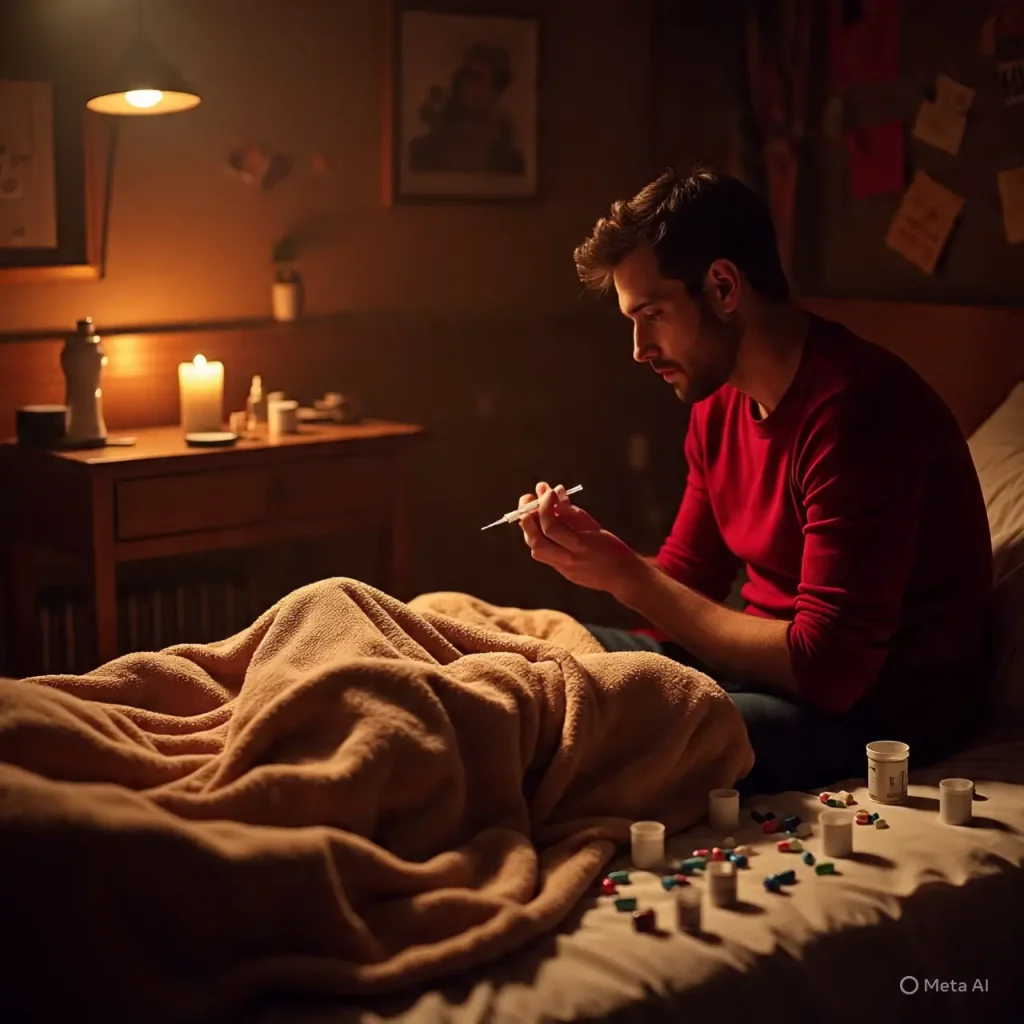
Roger-Luc Chayer (Image : Meta AI / Gay Globe)
Chemsex in Montreal: Statistics, Risks, and Resources
The numbers are in: according to the Montreal Regional Public Health Department, chemsex has killed more people than ever in Montreal in 2024. Contrary to common assumptions, it does not only affect homeless individuals.
According to data produced by the Quebec Coroner’s Office (BCQ), deaths possibly or probably related to drug intoxication have increased between 2021 and 2024.
Average Deaths per Month from Suspected Intoxication
- 2020: 14.8 deaths/month (total 178)
- 2021: 12.2 deaths/month (total 146)
- 2022: 13.6 deaths/month (total 163)
- 2023: 15.2 deaths/month (total 182)
- 2024: 19.1 deaths/month (total 229)
Deaths with Fentanyl or Analogues Detected
According to provisional BCQ data, fentanyl (and/or its analogues) was detected in over a third of deaths in 2023.
- 2020: 21 cases out of 178 deaths (12%)
- 2021: 47 cases out of 146 deaths (32%)
- 2022: 38 cases out of 163 deaths (23%)
- 2023: 64 cases out of 182 deaths (35%)
- 2024: 77 cases out of 229 deaths (34%) – incomplete data
The detection of fentanyl does not necessarily mean it was the determined cause of death following the coroner’s investigation.
The individuals most likely to die from chemsex are generally those consuming high doses of psychoactive substances in a sexual context, often combining several drugs, sometimes without medical supervision or harm reduction measures.
Regular workers, artists, lawyers, doctors—essentially all sectors of social life—are affected by chemsex-related deaths. Often, these individuals die in isolation, due to lack of supervision, or because of improperly dosed drugs.
Vulnerability increases among those experiencing isolation, psychological distress, or pre-existing health issues, including cardiovascular, respiratory, or HIV-related conditions.
Chemsex: Understanding This Dangerous Phenomenon
Chemsex refers to the practice of consuming psychoactive substances in a sexual context to prolong the experience, intensify pleasure, or overcome certain inhibitions.
In Montreal, this practice, once confined to specific networks, has spread across various social and professional circles, affecting people of all ages and backgrounds. The drugs most commonly associated with chemsex include methamphetamine, GHB, MDMA, and sometimes cocaine, but those causing the most deaths often contain fentanyl.
These substances alter perception and physical endurance, leading some participants to prolonged sessions lasting several hours, in apartments, private clubs, or through online-organized encounters. Usage can extend over several days, creating a context where excess and isolation combine.
For some, this practice remains a pursuit of sensations or intimacy within a specific social or sexual framework, while for others, the health risks, risk of overdose, or physical exhaustion become quickly tangible.
Researchers and practitioners emphasize the importance of prevention and support, but chemsex continues to be a complex phenomenon, blending experimentation, socialization, and individual vulnerability, with a growing impact on public health in Montreal.
Recovering a Healthy and Fulfilling Sexuality: Is It Possible?
Recovering a healthy and fulfilling sexuality is possible, even after difficult experiences or high-risk practices. It is not only about reducing danger but also about relearning self-awareness, identifying desires and limits, and establishing respectful and satisfying relationships.
Professional support, whether through counseling, sexual therapy, or support groups, can guide this process. With time, patience, and clear guidelines, anyone can rebuild an intimate life that is rewarding, safe, and aligned with personal needs, paving the way to a freer and more conscious sexuality.
Resources That Can Help
RÉZO provides individual and group support for gay, bisexual, and queer (GBQ) men practicing chemsex. Services are free, confidential, and delivered by qualified community workers. Contact: 514-521-7778.
ACCM offers individual and group support, workshops, and free distribution of consumption materials. Contact: 438-867-CHEM (2436).
Another crucial resource allows users of chemsex-related drugs to analyze substances for free before consumption. This service can save lives. Spectre de rue, located at 1280 Ontario Street East, Montreal (H2L 1R6), offers a substance testing service using FTIR machines, test strips, and colorimetric methods. The service is free, anonymous, and confidential. Hours are Tuesday to Saturday, 10 a.m. to 5 p.m. Contact: 438-372-7596.
ADVERTISING
