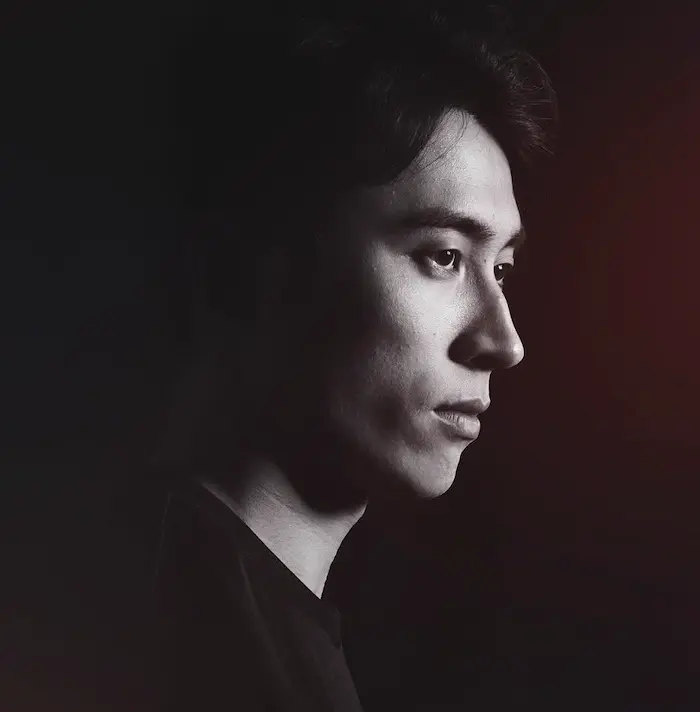
Carle Jasmin (Photo : X account for Rui Takahashi)
Rui Takahashi, 26, is a Japanese professional volleyball player who plays for the Suntory Sunbirds Osaka, one of the leading teams in Japanese volleyball. An outside hitter, he became known in the Japanese sports world through his university and professional career, but also as the older brother of Ran Takahashi, a Japanese volleyball star and member of the national team.
On September 29, 2026, Rui Takahashi nevertheless decided to speak publicly about a much more personal part of his life: his homosexuality. In a statement published on his social media accounts, the player wrote that, since childhood, he had been afraid to confront a certain part of himself. He explains that he suffered from this situation for a long time and tried to deny what he was feeling. He eventually wrote clearly that he was gay and a member of a sexual minority.
Rui Takahashi was born on January 14, 2000, in Kyoto, Japan. He is approximately 1.85 meters tall and plays as an outside hitter. He attended Higashiyama High School, where he played alongside his brother Ran. He then pursued his studies at Nihon University.
During his university career, Takahashi established himself as a regular player. In 2020, he helped his team finish third in the Japanese intercollegiate championship. He had also previously been selected for a Japanese school national team.
In 2022, he joined the Suntory Sunbirds Osaka. Injuries delayed his official debut, but he eventually made his first appearances in professional competition during the 2023-2024 season. His role as a server and his ability to change the rhythm of a match have allowed him to contribute to his team’s performances.
His club has since confirmed that he will remain with the team for the 2026-2027 season. Takahashi therefore intends to continue his professional career while now publicly embracing his sexual orientation.
Takahashi did not present his announcement as a political statement or as an activist campaign. His message is above all personal. He describes a journey that led him from fear and denial to accepting his homosexuality. But he also recognizes that his experience may have a broader impact.
The volleyball player explains that he would be happy if speaking openly about his own journey could help, even modestly, another person who is struggling to accept their sexual orientation or another part of their identity.
This dimension is particularly important in the context of Japanese professional men’s sports, where openly gay athletes remain very few in number. Several athletes who are LGBTQ+ in Japan have spoken publicly about their sexual orientation or gender identity in recent years, but gay men remain much less visible in professional sports.
A decision that does not apply to everyone
Rui Takahashi chose to come out for personal reasons, but also to contribute to greater visibility for LGBTQ+ people in the sporting world, both in Japan and internationally. His testimony nevertheless reminds us that coming out remains a deeply personal process and is not necessarily desirable or safe in every circumstance. Everyone should be free to decide when, how, and under what conditions they wish to reveal their sexual orientation.
If the coming out of a public figure can help increase LGBTQ+ visibility and contribute to changing attitudes, particularly in the sporting world, it would nevertheless be reductive to present this process as an obligation or as a necessary step for every gay person.
In certain circumstances, publicly revealing one’s sexual orientation can carry significant risks. A person who depends financially on their family, who risks losing their housing, employment, or essential support may find themselves in a particularly vulnerable situation after coming out. The same applies when they live or work in a professional, family, educational, or sporting environment where homosexuality remains heavily stigmatized.
The question of safety must also be taken into consideration. In some countries, homosexuality is still criminalized and LGBTQ+ people may be exposed to discrimination, violence, or sanctions. Even in countries where the rights of gay people are recognized, hostile reactions can still occur in certain communities or families.
For a professional athlete, the consequences can be even more complex. A public coming-out can quickly move beyond the personal sphere and be picked up by the media, social networks, supporters, sponsors, and sometimes sporting organizations. Once information becomes public, it is virtually impossible to completely control its dissemination.
The case of Rui Takahashi must therefore be understood from this perspective. His decision to speak publicly about his homosexuality belongs to him and can represent an important act of visibility in an environment where openly gay athletes remain few in number. But his choice does not necessarily constitute a model applicable to every LGBTQ+ person.
Coming out remains above all a personal decision. Some people will choose to do so publicly, others only with their relatives or close friends, while some may prefer never to reveal their sexual orientation. In all cases, the decision should be made freely, taking into account safety, family and professional circumstances, and the support available.
ADVERTISING

Read also
Danny Watts Comes Out as Gay After His Racing Career
Read the article
Gay Athletes at the Rio Olympics: When Coming Out Can Become Dangerous
Read the article
Gus Kenworthy Comes Out as Gay
Read the article
Hunted on Grindr: The Tool That Exposes GBT Communities to Danger
Read the English article
Morocco Masks Homosexuality Ban in World Cup Bid Submission
Read the article
Are Gay and Homosexual the Same? Here’s What We Found
Read the article