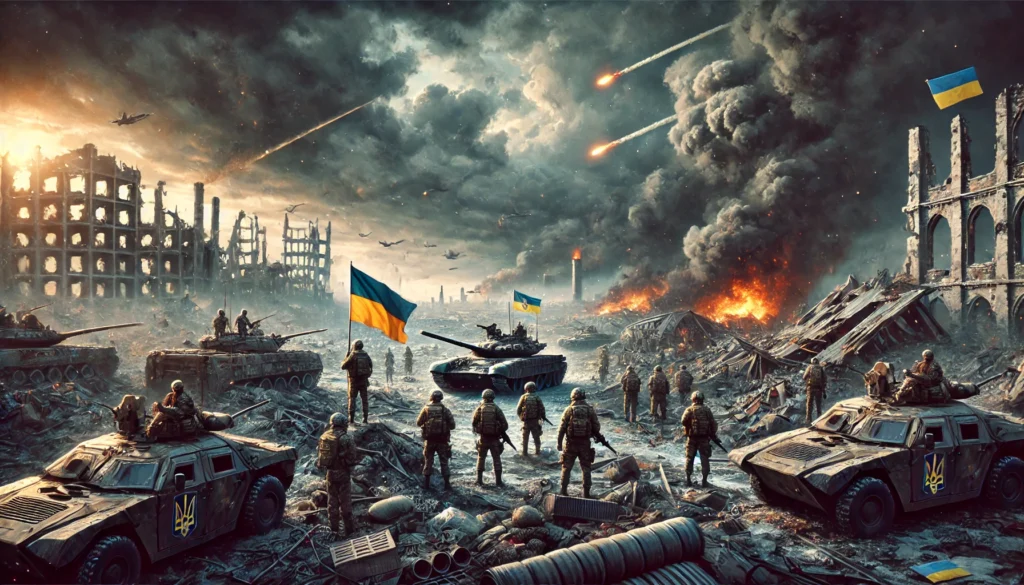
Roger-Luc Chayer / Gay Globe Média / War.ukraine.ua (Images: AI/Gay Globe – War.ukraine.ua – Wikipedia)
Since the beginning of the Russo-Ukrainian war in its 2.0 version, numerous pieces of information have been spread in the media and on the web, including several elements of disinformation from Russia and its allies. In the face of this war of numbers, it seemed important to us to set the record straight.
This article provides a perspective on the international aid deployed against Russia and its allies, particularly highlighting the extraordinary resources made available to Ukraine. The content of this article has been corroborated from various sources.
The war in Ukraine has triggered unprecedented international mobilization. Many countries have expressed their political solidarity with Ukraine, while providing military equipment, humanitarian aid, and imposing sanctions aimed at limiting Russia’s financial and military capabilities.
Governments, international organizations, businesses, public figures, and citizens around the world have aligned themselves in favor of Ukraine, affirming their support for stability and security in Europe. The reactions and measures adopted by the international community reflect a strong rejection of the use of force in conflict resolution.
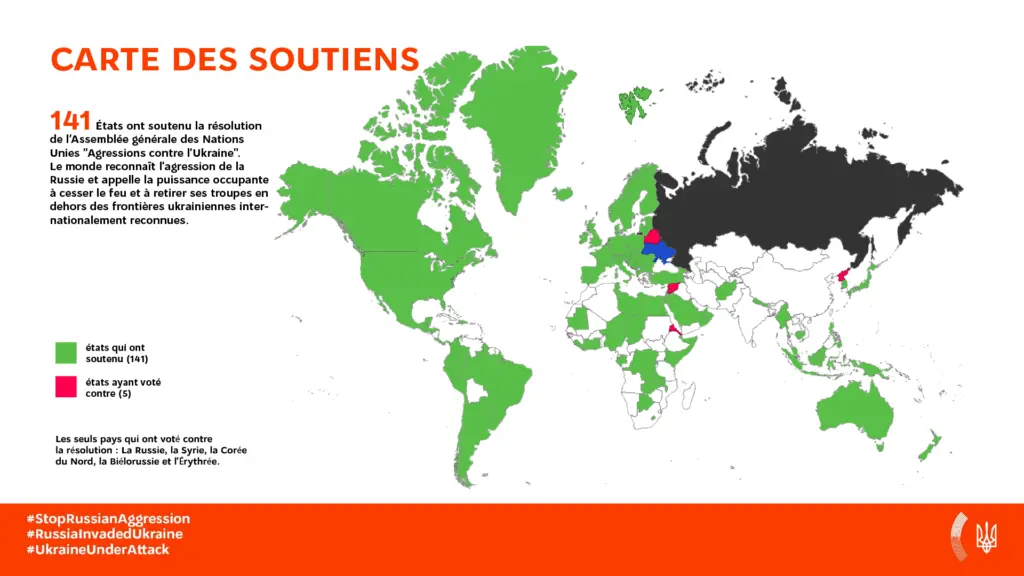
On March 2, 2022, this solidarity was clearly expressed when 141 countries voted in favor of a United Nations General Assembly resolution calling for Russia to immediately cease its military operations in Ukraine. This vote illustrates the scope of international support for a peaceful resolution to the conflict.
In many cities around the world, rallies were held to show support for Ukraine in the face of the Russian invasion. Demonstrations were organized in cities like New York, Edinburgh, London, Paris, and Berlin, where citizens held Ukrainian flags and signs calling for an end to the conflict. Several iconic monuments, such as the Colosseum in Rome, the Brandenburg Gate in Berlin, and the Christ the Redeemer statue in Rio, were illuminated in Ukraine’s colors as a sign of solidarity.
In Russia, protests also took place on March 6 in 44 cities across the country. However, these rallies were quickly dispersed by the police, leading to the arrest of over 2,000 people, including children and the elderly.
Media coverage of the conflict has mobilized journalists from around the world, with some traveling to the frontlines to report on events in Ukraine. Newsrooms of major networks are actively working to document the evolution of the situation and counter disinformation.
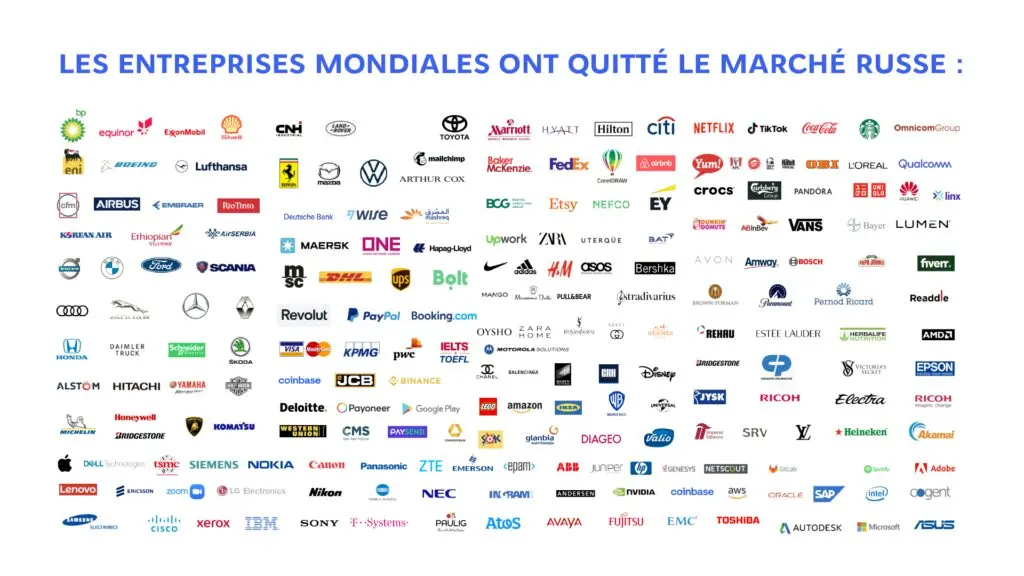
Numerous companies, both global and local, have taken measures in response to the invasion of Ukraine, aligning their actions with sanctions imposed by governments. Several sectors, including aviation, finance, logistics, retail, IT, and automotive, have reduced or suspended their activities in Russia, sometimes severing commercial ties with the country.
These decisions are set against a backdrop of growing international pressure, as Russia faces increasing isolation on the global stage due to the ongoing conflict.
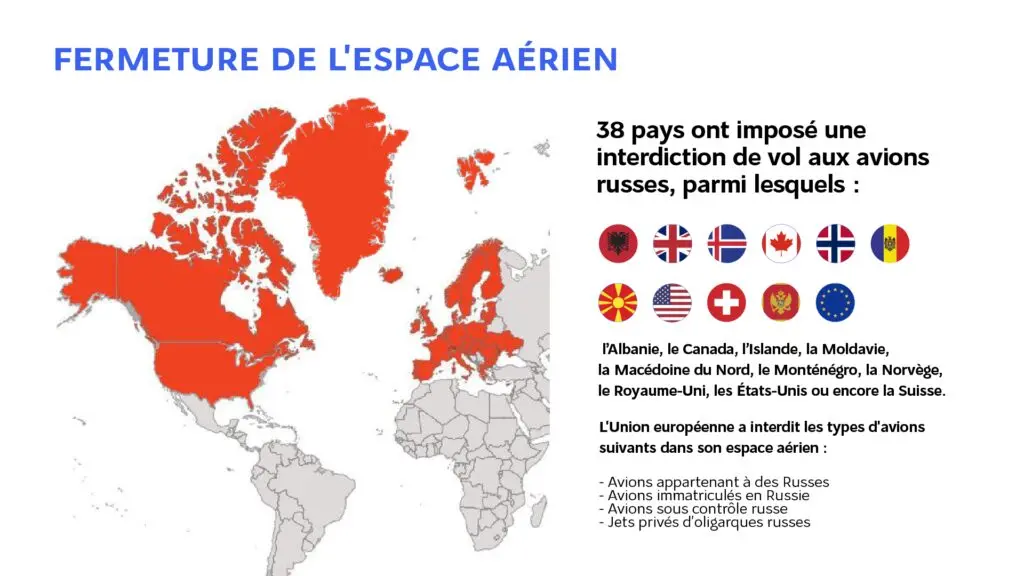
By March 4, 38 countries had closed their airspace to Russian planes, marking a coordinated response from the international community to the conflict in Ukraine. This measure, adopted in Europe and North America, is aimed at increasing pressure on Moscow.
Despite these sanctions and growing isolation, the Russian government maintains its military offensive, with repercussions not only on Ukraine but also on its own population.
On the information and cybersecurity front, many volunteers from the tech industry have mobilized to fight disinformation related to the conflict in Ukraine. The group Anonymous claimed several actions aimed at disrupting Russian government websites and propaganda platforms.
Meanwhile, tech companies like Amazon and Google have provided support by strengthening Ukraine’s digital defenses against cyberattacks, particularly distributed denial-of-service (DDoS) attacks.
Cultural Sanctions and Heritage
The world of culture and the arts has also mobilized in response to the conflict in Ukraine. Several institutions have taken symbolic actions to mark their disagreement with Russia’s aggression. The Royal Opera House canceled the Moscow Bolshoi Ballet’s tour, while the Munich Philharmonic Orchestra ended its collaboration with conductor Valery Gergiev, known for his closeness to Russian President Vladimir Putin.
Other cultural organizations followed suit, imposing restrictions on Russia. These include the Metropolitan Opera, the Frankfurt Book Fair, the Cannes Film Festival, the Latvian National Opera and Ballet Theater, the European Film Academy, and many other institutions around the world.
What were Russia’s intentions regarding LGBTQ+ people in Ukraine?
In its intervention in Ukraine, Russia adopted a hostile stance toward LGBTQ+ people, with clear intentions to restrict their rights and visibility. Even before the 2022 invasion, Russia had implemented repressive laws against LGBTQ+ people, including the 2013 law banning “homosexual propaganda” to minors.
These measures fueled an atmosphere of persecution within Russia, where LGBTQ+ rights were already severely limited. In Ukraine, Russian authorities sought to impose their conservative views and influence public opinion by presenting tolerance for the LGBTQ+ community as a sign of moral decay.
This approach was also reflected in systematic opposition to any progress in LGBTQ+ rights in Ukraine, which, while not fully equal, had made significant strides in recognizing these rights.
In addition to this ideological opposition, Russia’s military actions have amplified a climate of violence and repression against LGBTQ+ people in Ukraine, with reports of targeted attacks, threats, and physical violence.
Russian propaganda also sought to instrumentalize the issue of LGBTQ+ rights to justify its intervention, positioning itself as the protector of “traditional family values” against what it saw as the “decay” of European values.
PUBLICITY