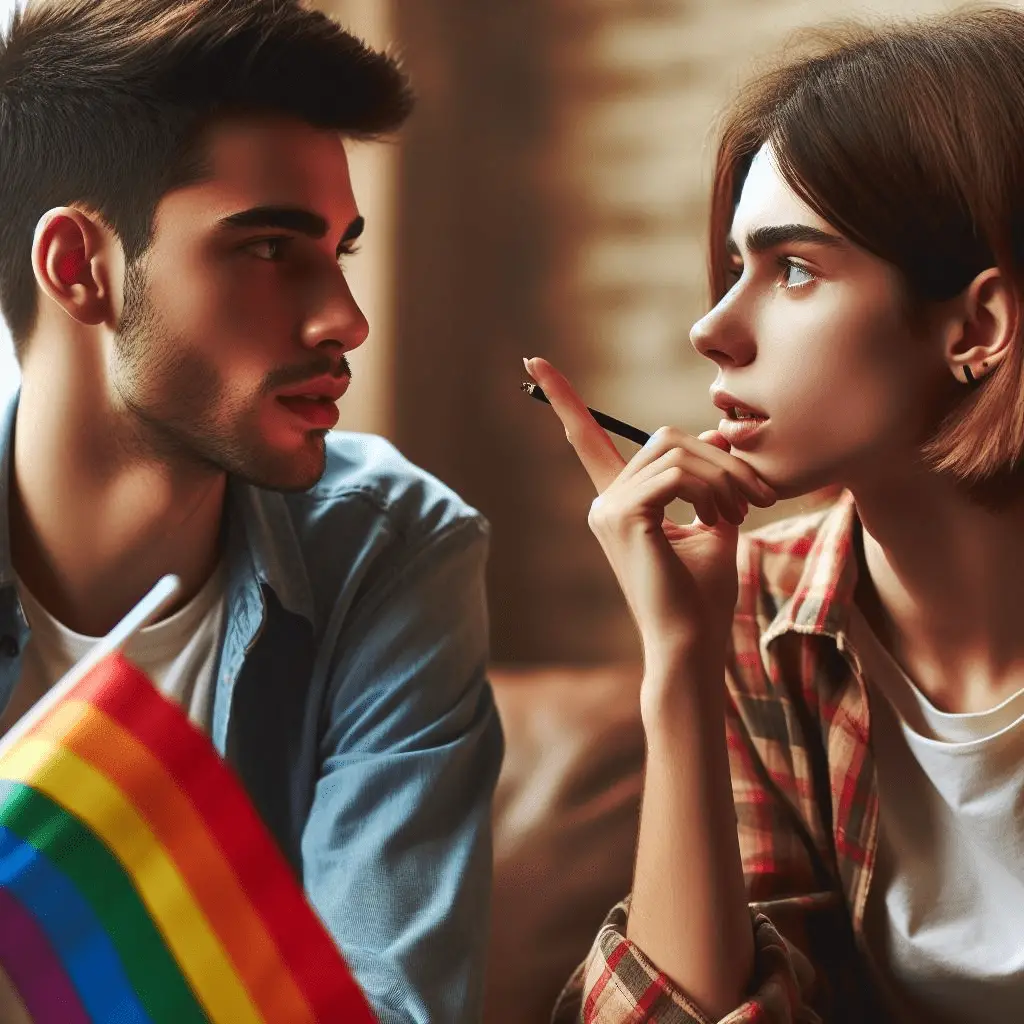
Carle Jasmin (Image: Gay Globe)
The dialogue between gay men and lesbians can sometimes be difficult due to a complex interplay of historical, social, cultural, and personal factors. Understanding these challenges requires delving into the distinct experiences and perspectives of both groups, as well as examining the broader context of LGBTQ+ identities and politics.
Historical and Social Context
Historically, gay men and lesbians have faced different societal challenges and stigmatization, which has shaped their respective communities in unique ways. During the early years of the LGBTQ+ rights movement, gay men and lesbians often had to navigate distinct social expectations and prejudices. For instance, gay men have traditionally faced severe stigmatization related to perceptions of masculinity and sexuality, often being criminalized and pathologized in particularly harsh ways. Lesbians, on the other hand, have had to contend with both homophobia and sexism, navigating a world where their sexual orientation and gender placed them at a double disadvantage.
These different historical experiences have sometimes led to divergent priorities and perspectives within the LGBTQ+ movement. While both groups have fought for equality and acceptance, the specific issues they have championed can differ. For example, during the AIDS crisis of the 1980s and 1990s, gay men were disproportionately affected, leading to a significant focus on health and medical research within their community. Lesbians, meanwhile, have often focused on issues such as feminist politics, reproductive rights, and combating gender-based violence.
Cultural Differences
Cultural differences between gay men and lesbians can also contribute to difficult dialogue. Gay male culture and lesbian culture have developed distinct social spaces, norms, and cultural references. Gay men have historically been more visible in certain urban centers and have developed vibrant nightlife scenes, characterized by bars, clubs, and events like Pride parades. Lesbian culture, while also present in urban areas, has often been more community-oriented, with a focus on creating safe, supportive environments away from the male gaze.
These cultural differences can sometimes lead to misunderstandings or feelings of alienation. For example, gay men might feel that their struggles and experiences are not fully understood or respected by lesbians, and vice versa. This can create a sense of division, where each group feels that their specific challenges are not adequately recognized by the other.
Gender Dynamics
Gender dynamics play a significant role in the difficulty of dialogue between gay men and lesbians. As members of a patriarchal society, gay men may unconsciously or consciously exhibit behaviors that reinforce male privilege, even within LGBTQ+ spaces. This can manifest in various ways, such as dominance in conversations, prioritizing gay male issues, or failing to recognize the intersectional nature of lesbian oppression.
Lesbians, who often face both homophobia and misogyny, may feel marginalized or dismissed in such environments. The intersection of gender and sexual orientation creates unique challenges for lesbians that gay men might not fully appreciate or understand. This can lead to feelings of frustration and resentment, making open and empathetic dialogue more difficult.
Intersectionality and Inclusivity
The concept of intersectionality highlights how different aspects of a person’s identity—such as race, gender, class, and sexuality—intersect and create unique experiences of oppression or privilege. Within the LGBTQ+ community, there are significant differences in how individuals experience discrimination and marginalization based on these intersecting identities.
For example, a white gay man and a black lesbian might face very different challenges and prejudices. The white gay man might experience homophobia but still benefit from racial privilege, while the black lesbian might face both homophobia and racism, as well as sexism. These layered experiences can lead to different priorities and perspectives, making it difficult for gay men and lesbians to fully empathize with each other’s struggles.
Efforts to create inclusive LGBTQ+ spaces that acknowledge and address these intersecting identities are crucial but can also be challenging. It requires a commitment to listening, learning, and advocating for the needs of all community members, not just those who share one’s specific identity.
Media Representation and Stereotypes
Media representation of LGBTQ+ individuals has often been skewed, with gay men typically receiving more visibility than lesbians. When lesbians are represented, they are often subject to stereotypes that do not reflect the diversity of their experiences. This disparity in representation can lead to a lack of understanding and empathy between gay men and lesbians.
Gay men might feel that their struggles are more visible and, therefore, more pressing, while lesbians might feel that their issues are overlooked or misunderstood. This can create a sense of competition or rivalry, rather than solidarity and mutual support. Breaking down these stereotypes and advocating for diverse and accurate representation of all LGBTQ+ identities in the media is essential for fostering better understanding and dialogue.
Personal Relationships and Community Dynamics
On a personal level, individual experiences and relationships can also impact the dialogue between gay men and lesbians. Personal biases, past conflicts, and differing social circles can all contribute to misunderstandings and difficulties in communication. Additionally, within the LGBTQ+ community, there can be a tendency to form cliques or subgroups based on specific identities, which can inadvertently reinforce divisions rather than bridge them.
Creating spaces for open and honest dialogue, where individuals feel safe to express their experiences and perspectives, is crucial for overcoming these personal and community-level challenges. This requires active listening, empathy, and a willingness to learn from each other.
Moving Forward: Building Bridges
Despite these challenges, there are many ways to foster better dialogue and understanding between gay men and lesbians. Building bridges requires a commitment to mutual respect, empathy, and solidarity. Here are some steps that can help:
- Education and Awareness: Increasing awareness of the unique experiences and challenges faced by gay men and lesbians can help foster empathy and understanding. This includes learning about the historical context, cultural differences, and intersectional identities within the LGBTQ+ community.
- Inclusive Spaces: Creating inclusive spaces where all voices are heard and valued is essential. This can be achieved through community events, discussion groups, and social gatherings that prioritize inclusivity and diversity.
- Advocacy and Allyship: Advocating for the rights and needs of all LGBTQ+ individuals, not just those who share one’s identity, is crucial. This includes supporting issues that may primarily affect one group but are important for the broader community.
- Dialogue and Communication: Open and honest communication is key. Encouraging dialogue that is respectful and empathetic can help bridge divides and foster mutual understanding.
- Addressing Bias and Privilege: Acknowledging and addressing biases and privileges within the LGBTQ+ community is important for creating a more equitable and supportive environment. This includes recognizing how gender dynamics and intersectional identities impact individuals differently.
By taking these steps, gay men and lesbians can work towards building stronger, more cohesive communities where everyone feels valued and respected. While the dialogue between these groups can be difficult at times, it is also an opportunity for growth, learning, and solidarity. By embracing diversity and fostering understanding, the LGBTQ+ community can continue to move forward together in the fight for equality and acceptance.