Roger-Luc Chayer (Image : Pixabay)
A Major Crisis: The Devastating Impact of Drug Use in Montreal in 2026
In 2026, the devastating effects of drug use remain dramatically visible. Montreal recorded over 191 drug overdose deaths in 2025, an alarming toll that crosses all social classes. From some homeless individuals to students, including professionals, lawyers, doctors, and even elected officials, both parliamentary and municipal, no group is spared by this major public health crisis.
Alarming Statistics on Overdose Deaths
According to the latest data from the Montreal Regional Public Health Directorate, there were approximately 191 drug overdose deaths in Montreal in 2025 (deaths related to suspected drug intoxication), based on provisional data. This number corresponds to an average of about 15.9 deaths per month for 2025, although these figures may still be adjusted as coroner investigations continue.
Drug Use in Montreal: Numbers and Trends
Data from the Quebec Population Health Survey 2020-2021 show that approximately 22% of Montreal’s population reported having used some form of drug in the past 12 months. This percentage includes cannabis, which is legal, but provides an indication of the overall prevalence of psychoactive substance use in the city.
Excluding cannabis and focusing only on illegal drugs other than cannabis (cocaine/crack, heroin, methamphetamine, ecstasy, hallucinogens, etc.), provincial data indicate that about 4.3% of the population aged 15 and over in Quebec used these substances in the past 12 months. Applied to Montreal (with a population of about 1.7 million), this suggests tens of thousands of people (around 70,000 to 80,000 if only considering those aged 15 and over).
Legal Framework on Illegal Drug Sale and Possession
The sale and possession of many of these drugs are illegal, with often severe penalties, due to the lives shattered among users as well as the impact on their employers and families. People fall too quickly into the spiral of addiction, as these substances are designed to create dependency as fast as possible.
Illegal Promotion on Social Media
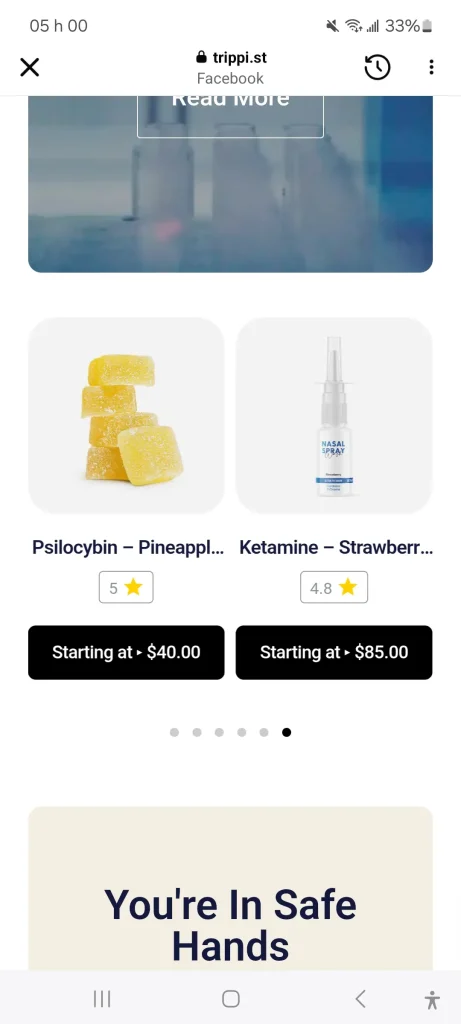
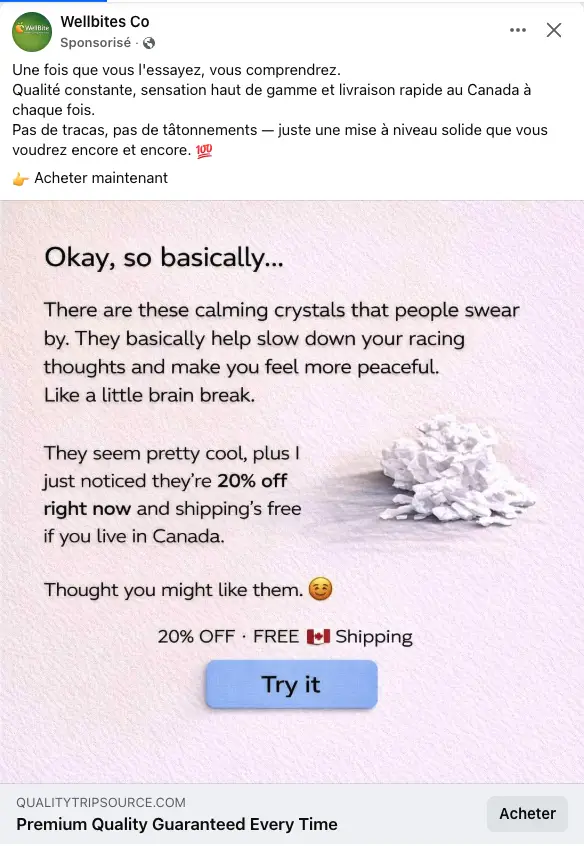
In recent days, some social media platforms have been openly promoting the online sale of some of the worst drugs, even profiting from these ads, despite the fact that simply promoting drug sales, whether in Canada or most countries worldwide, is a criminal offense.
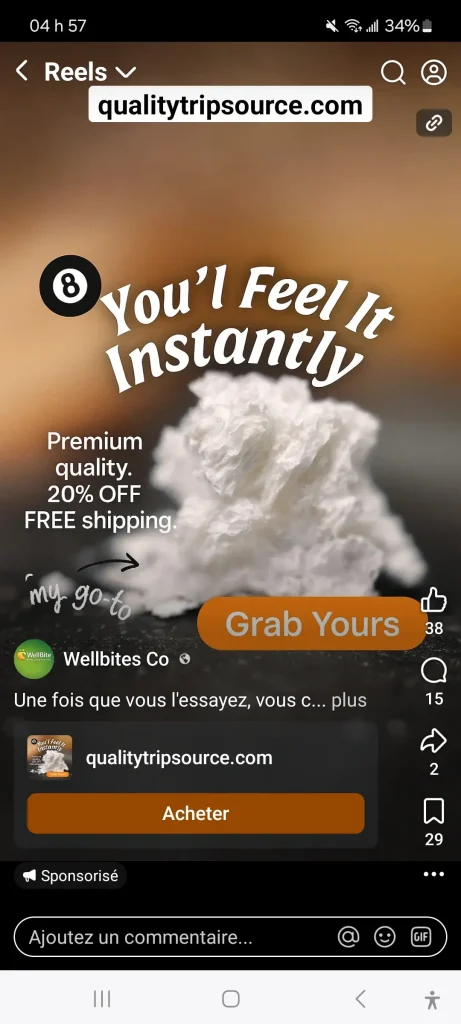
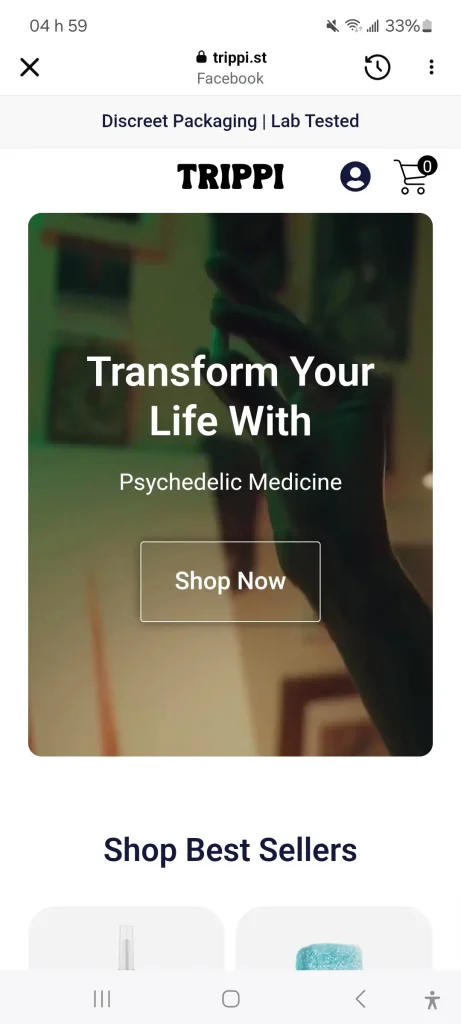
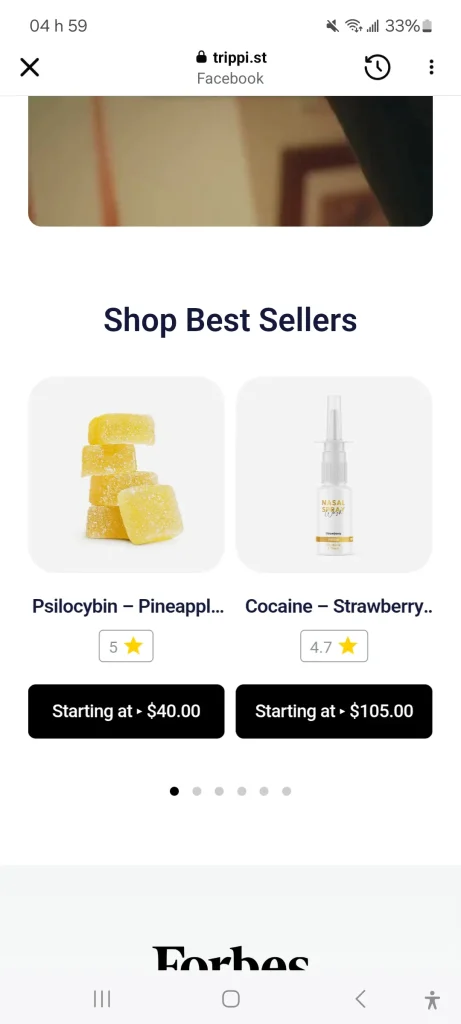
Among the illegal drugs frequently sold on these platforms are cocaine, heroin, crack, methamphetamine, ecstasy, LSD, ketamine, MDMA, PCP, smoked cocaine, GHB, psilocybin (magic mushrooms), and unauthorized fentanyl.
Strict Legal Regulations and Penalties
The Canadian Criminal Code strictly regulates the sale, possession, production, and trafficking of illegal drugs. According to sections 5 to 11 of the Controlled Drugs and Substances Act, it is illegal to sell, offer for sale, distribute, produce, import, or export substances listed as controlled without legal authorization.
Penalties vary depending on the offense and substances involved, ranging from suspended sentences for minor infractions to life imprisonment for serious crimes such as trafficking heroin, cocaine, or fentanyl.
Furthermore, harsher penalties apply when offenses involve minors, occur near schools, or are part of organized criminal activity. The law aims to deter illegal drug sales through a combination of strict criminal sanctions and public health protections.
Online Illegal Drug Sales: A Growing Phenomenon
The sale of illegal drugs online is expressly prohibited under Canadian law and attracts severe penalties. The Criminal Code, combined with the Controlled Drugs and Substances Act, covers all forms of trafficking, including the sale, offering, or distribution of controlled substances via the internet.
This prohibition applies not only to traditional physical sales but also to any e-commerce, forums, social networks, or online platforms used to facilitate transactions or promote illegal drugs.
Shocking Testimony: The Ease of Access to Drugs Online
What is utterly shocking is that these ads even offer free postal delivery right to your door! This happened to John, who recently gave an interview to Radio-Canada news. According to Radio-Canada, « It’s as easy as ordering on Amazon, » says John, who agreed to testify anonymously to avoid alarming his loved ones. He has a history of cocaine addiction. “Every time I open Facebook, the third ad is cocaine. On Instagram, the second ad is cocaine. At first, I thought it was a scam, but I decided to try it with my credit card. A few days later, I got an email from Canada Post: my package had arrived.” He relapsed.
A Google spokesperson claims the company designs its systems to highlight high-quality information and avoid exposing users to harmful content they did not seek. They add that they follow local laws when removing pages from search results.
Despite exchanges between Radio-Canada’s “La Facture” and Google, the site where John ordered cocaine remains visible in search results.


Effects and Dangers of Illegal Drugs Sold Online
It is important to know that drugs sold illegally on Google or social media can have extremely harmful health effects and even cause death by overdose. Here are some examples:
Cocaine is a powerful stimulant causing intense euphoria, increased energy, and alertness, but carries high risks of addiction, cardiac arrhythmia, and anxiety attacks.
Heroin, a highly addictive opioid, induces intense well-being and relaxation but quickly leads to severe addiction with a high risk of fatal overdose, especially respiratory depression.
Methamphetamine intensely stimulates the central nervous system, boosting energy and concentration but can cause severe psychotic disorders, rapid physical deterioration, and strong addiction potential.
Ecstasy (MDMA) is an empathogen that enhances social bonding and euphoria but can lead to severe dehydration, hyperthermia, and long-term psychiatric problems.
LSD, a powerful hallucinogen, profoundly alters perception causing visual and sensory hallucinations but may trigger intense anxiety or psychosis in vulnerable individuals.
Ketamine, used medically as an anesthetic and recreationally, causes dissociative effects but chronic use can damage the urinary system and cognition.
Fentanyl, an extremely potent synthetic opioid, often causes fatal overdoses even in very small doses due to its strong respiratory depressive effects.
Crack, a smoked form of cocaine, shares cocaine’s stimulant effects but causes faster, more intense addiction and severe cardiovascular impacts.
GHB, often called the “date rape drug,” has strong sedative effects and can cause unconsciousness, coma, or death in overdose.
Each drug has specific risks but all share high addiction potential, harmful effects on mental and physical health, and increased mortality risk, especially when used uncontrollably or with other substances.

How to Respond to Illegal Drug Ads on Social Media
When encountering ads on social media promoting illegal drug sales, it is crucial to act with vigilance and responsibility. The first step is to avoid clicking or interacting with these links to not encourage their spread or risk involvement.
Next, these ads should be reported directly to the platforms—most social networks like Facebook, Instagram, Twitter, or TikTok have options to flag illegal or inappropriate content. This helps moderators remove the ads promptly and improve online safety.
Additionally, it is possible to file complaints with local authorities or the police, especially units specializing in cybercrime or drug trafficking. Law enforcement often has the means to investigate and act against these illegal online activities.
ADVERTISING