🌐 Languages / Langues
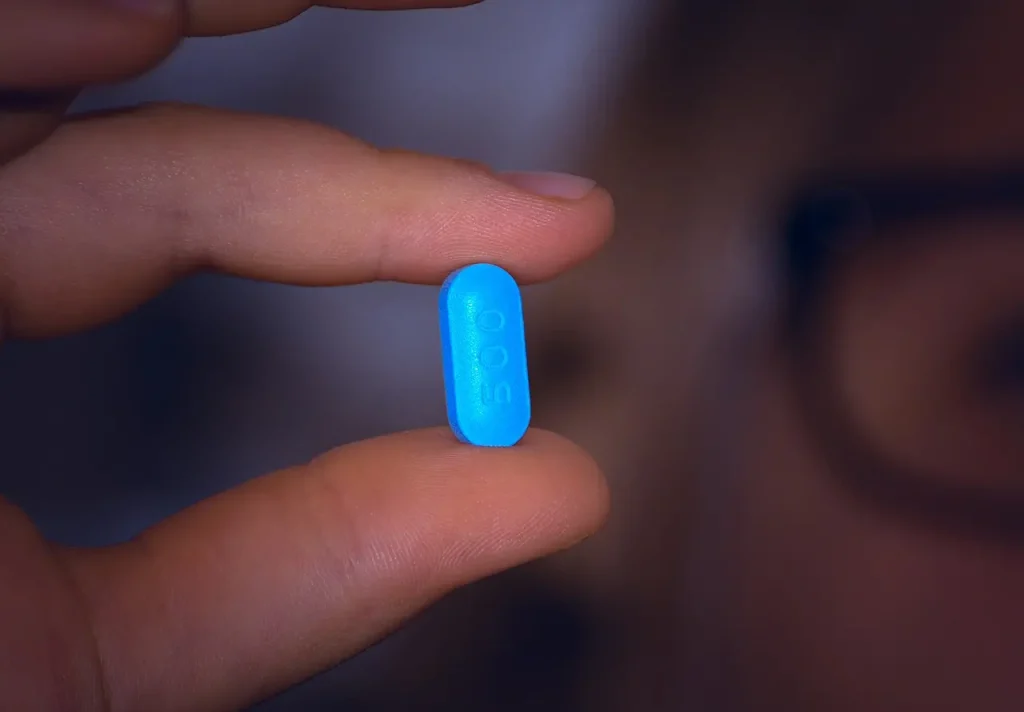
Roger-Luc Chayer (Image : Pixabay)
Medical Misinformation on Social Media
In the field of health, and especially on social media, we are presented with just about anything as medical news or conclusive research. We are constantly told that all diseases are now cured, and this creates wealth for certain social groups who profit from clicks and the attention generated by these false medical claims, often unchecked by large companies like Meta and others.
HIV/AIDS: A Historical Ground for Fraud
In the field of HIV/AIDS, this has always been the case, dating back to the beginning of my career as a health journalist. Between 1993 and 1998, I was responsible for dozens of investigations for Magazine RG on miracle products claiming to cure HIV. Of course, this was long before the advent of triple therapy or truly effective antiretroviral treatments.
Fear and Patient Vulnerability in the 1980s–1990s
Fear—the terror of dying from AIDS at that time—led fraudsters to sell just about anything, like XC-100, Cascabel, or herbal pills which, once analyzed with the help of a researcher friend at McGill University, turned out to be nothing but mold. Imagine everything people were willing to take just to avoid dying from AIDS, and it was entirely understandable.
In the 1980s and early 1990s, receiving an HIV diagnosis often meant a death sentence. Fear was pervasive, social stigma intense, and access to reliable medical information almost nonexistent. Facing this threat, people living with HIV were willing to believe in any miracle cure, even powders or herbs with no scientific basis, in order to survive.
Exploiting Hope and Desperation
Before the advent of triple therapy and effective antiretroviral treatments, there was practically no safe way to slow disease progression. It was this desperation, combined with vital hope, that charlatans exploited by selling miracle products, preying on patients’ vulnerability. Many of these remedies, once analyzed, proved ineffective or even dangerous, but at the time, the lure of anything promising to prolong life was irresistible.
This period vividly illustrates how fear and a lack of medical solutions can make people extremely receptive to even the most absurd medical misinformation.
Medical Research and Limiting Fraud Today
Today, HIV is the subject of extensive medical research, making fraud much more difficult. However, some diseases and medical conditions remain particularly targeted by misinformation, scams, and fraud on social media—often because they trigger fear, urgency, or hope for simple solutions, which drives clicks and profits.
Vaccine misinformation remains one of the most common themes, especially regarding vaccines for diseases like COVID-19 or HPV, with false messages about safety, effectiveness, or even invented links to other illnesses.
Cancers and the so-called “miracle cures” that claim to treat them are also widely exploited by misleading content, with unproven treatments circulating as supposed miracle solutions.
Issues related to mental health—anxiety, depression, trauma—have become fertile ground for quick, simplistic advice with no scientific basis, potentially endangering vulnerable individuals.
Medical advice regarding screenings or unapproved treatments, such as full-body scans or pseudo-scientific supplements, is often promoted without evidence, encouraging unnecessary consumption or purchases from dubious online “pharmacies.”
There is also a strong presence of content promoting natural remedies or unvalidated cures for conditions like obesity, digestive disorders, or chronic illnesses—particularly through influencers or videos that use misleading medical language to gain credibility.
Finally, impersonation of health professionals or the use of fake medical identities (deepfakes) on platforms to sell supplements or fake treatments further complicates the situation and increases confusion around these diseases and conditions.
In all these cases, the combination of algorithms favoring sensationalism, users’ fear or hope, and economic interests creates a particularly fertile ground for medical fraud on social media.
The Key to Combating Medical Misinformation
Clearly, the best way to counteract these medical misinformation scams is to rely on legitimate sources and trusted media outlets. One should never replace their doctor with ChatGPT or any similar tool: health relies on truth and honesty.
ADVERTISING

See also:
Misinformation about HIV: Sorting Fact from Fiction on Social Media – An analysis of HIV misinformation on social media and how to distinguish scientific facts from false claims.
🔗 https://gayglobe.net/misinformation-about-hiv-sorting-fact-from-fiction-on-social-media/
No, dandelion does not cure HIV or cancer – A clarification on a viral online rumor claiming that dandelion can cure HIV and cancer, explained with scientific evidence.
🔗 https://gayglobe.net/no-dandelion-does-not-cure-hiv-or-cancer/
HIV: The myth of patient zero – A deconstruction of the “patient zero” myth in the HIV epidemic, explaining its origin and media spread.
🔗 https://gayglobe.net/hiv-the-myth-of-patient-zero/
HIV Among Youth: A Real Increase, But Far from Widespread – An analysis of recent data on HIV diagnoses among youth, providing a nuanced interpretation of the numbers.
🔗 https://gayglobe.net/hiv-among-youth-a-real-increase-but-far-from-widespread/
HIV Is No Longer a Death Sentence: End of an Era and Historic Closure in Toronto – A report on the transformation of HIV into a treatable condition and the closure of a historic AIDS center.
🔗 https://gayglobe.net/hiv-is-no-longer-a-death-sentence-end-of-an-era-and-historic-closure-in-toronto/
🌐 Languages / Langues